
 Avalon Peninsula
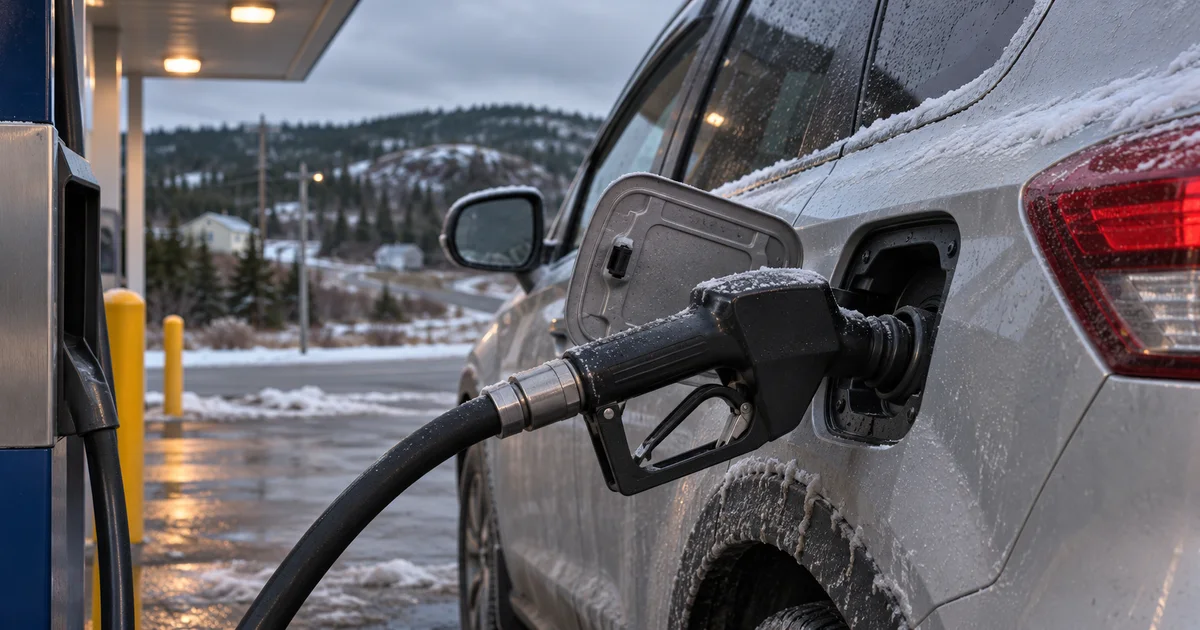
Starting December 1, 2026, Newfoundland and Labrador will reduce its provincial tax on retail gasoline and diesel to zero. The initial measure runs through March 31, 2027, when it will be reviewed. Here’s how renters and property owners across the Avalon Peninsula can account for it in a winter driving budget.
Bill 22 received Royal Assent on November 20 after passing third reading on November 19. Newfoundland and Labrador Finance puts the reduction, including HST, at 8.625 cents per litre for gasoline and 10.925 cents per litre for diesel. Those figures describe the effect of the tax change, not a forecast of what a station will charge.
After March 31, the legislation ties continued zero tax in a calendar quarter to a prescribed oil-price threshold. The November 19 release does not give the threshold amount. Don’t assume the relief will continue unchanged into spring.
By Capital Property. Sources checked . Check the linked sources for later changes.
Start with the fuel you actually buy
Keep a short record of fuel receipts, litres purchased and the trips those purchases cover. Separate routine commuting from an unusual journey. A week with extra travel may be a poor guide to an ordinary month, even if the price per litre looks familiar.
For a hypothetical 50-litre fill, the tax change alone works out to about $4.31 for gasoline or $5.46 for diesel. You may not see that exact difference between two receipts: the posted price can change for other reasons, and you may buy a different amount.
Keep temporary savings separate from fixed commitments
Keep a realistic allowance for regular driving and winter trips. After December 1, compare a few receipts with your earlier record before revising the budget. Look at litres, price per litre and total spending rather than comparing the totals alone.
If your fuel costs fall, decide whether to put the difference toward a seasonal expense or keep it as a buffer. A measure with a March review date is not a good basis for a new recurring bill.
Compare the full cost of everyday travel
When comparing rental homes, consider how the location fits work, school, appointments and other regular trips. Fuel is only one part of the comparison. A modest change in one tax component should not replace a careful look at the household’s overall travel needs.
Owners can use the same recordkeeping approach for trips connected with a property. Keep those journeys distinguishable from personal travel so that a busy maintenance week does not become an unexplained change in the household fuel estimate. This is general budgeting guidance, not tax advice.
Review the budget before April
Set a reminder to look for the province’s next update before budgeting for April. Keep the fuel-tax change separate from electricity and home-heating costs. Capital Property serves owners and renters across all of the Avalon Peninsula. Learn more at capitalproperty.ca.
Sources
- Newfoundland and Labrador Finance: November 19 fuel tax announcement. Tax reduction and HST-inclusive estimates.
- Newfoundland and Labrador House of Assembly: Progress of Bills. Bill 22’s passage and Royal Assent dates.
- Newfoundland and Labrador House of Assembly: Bill 22. Commencement, initial dates and the threshold mechanism.
General information only; not legal advice or a substitute for professional assessment.