
 Avalon Peninsula
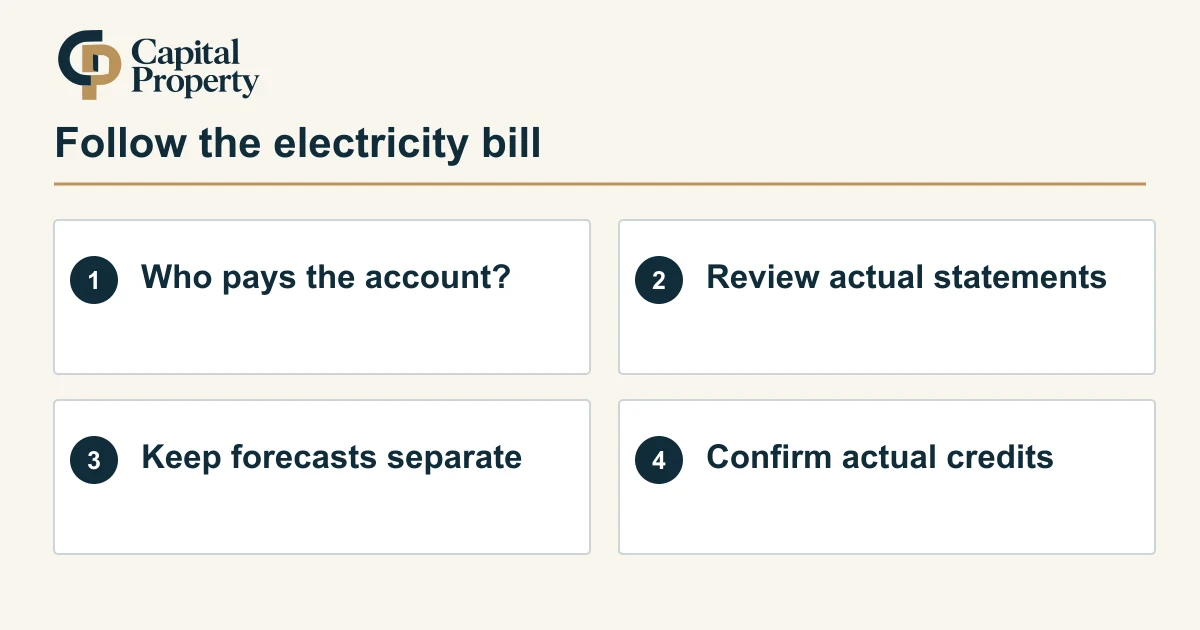
If you own a rental property in Newfoundland and Labrador, start with one question before changing your electricity budget: who actually pays the utility bill? A rebate can affect an owner-paid account differently from a tenant-paid account. Keeping that distinction clear makes the announcement more useful for day-to-day planning.
By Capital Property. Sources checked . Check the linked sources for later changes.
What has been announced
The provincial government's October 22, 2026 announcement says the Churchill Falls Electricity Rebate will appear on Newfoundland Power and Newfoundland and Labrador Hydro bills beginning in January 2027. It provides a 15 per cent rebate on the first 2,000 kilowatt-hours of residential consumption per month. The backgrounder does not say every charge on a bill receives the reduction.
That gives households a useful planning starting point. It does not establish the saving for a particular rental property. Confirm the account classification and billing treatment with the utility, especially where one meter serves several units or an account includes commercial use.
Related sources: Government of Newfoundland and Labrador announcement and backgrounder — October 22, 2026
Follow the bill before counting the saving
When the owner pays the electricity account, any eligible credit belongs in the review of that property's operating costs. Check the actual statement before treating a projected saving as money available for another expense.
When the tenant holds and pays a separate account, a credit on that account does not reduce an electricity expense in the owner's books. Owners can share the official information without promising what a tenant will receive.
For shared meters, included utilities or unusual billing arrangements, record how electricity is currently handled and ask the utility about the account. Questions about lease terms or rent should be considered separately, with appropriate advice where needed. This article is not guidance to change either.
Build the budget from your own records
Gather the last year of bills for each owner-paid account. Record the billing period, electricity used in kWh, total charges and any existing credits. Keeping usage separate from dollars makes it easier to see whether a change came from consumption, pricing or an adjustment.
Keep your existing forecast alongside a second, clearly labelled estimate. Write down the assumptions behind that estimate rather than simply reducing the whole annual electricity budget by the headline percentage. Until the billing details are clear, leave room for uncertainty.
Do the review property by property. A single household estimate is a poor substitute for the records of a building with a different heating system, occupancy pattern or meter arrangement. Avoid using an anticipated rebate to cover a repair commitment before the saving is confirmed.
Check the first statement carefully
When the credit appears, reconcile it against the account and period it covers. Compare usage as well as the final amount. A lower bill alone does not tell you how much of the difference came from a rebate.
Save the statement with the property records and update the forecast using the actual result. If something is unclear, ask the utility to explain the calculation before passing an estimate along to someone else.
A useful task for this week
Make a short list of your rental properties, who pays each electricity account and which statements need reviewing. Flag shared or non-standard accounts for clarification. You can have that information ready now without making premature promises about savings or changing the way a tenancy is managed.
Sources
- Government of Newfoundland and Labrador announcement and backgrounder — October 22, 2026. Rebate scope and announced timing.
General information only; not legal advice or a substitute for professional assessment.