
 Avalon Peninsula
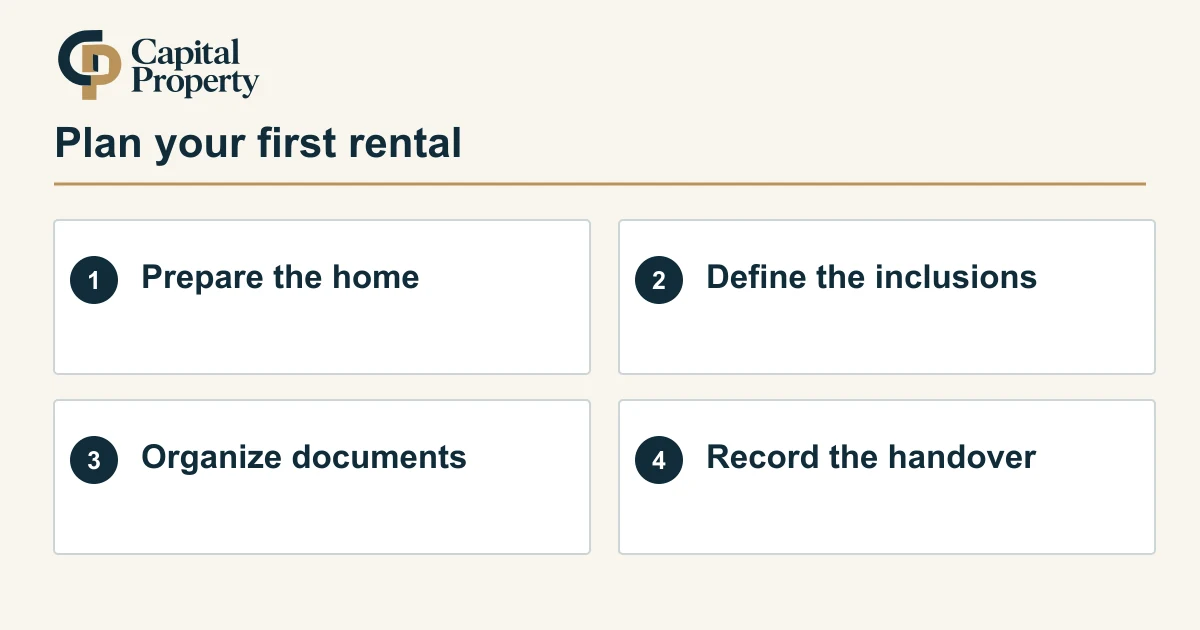
Renting out a house for the first time brings decisions that are easy to overlook when it has always been your home. What needs fixing before someone moves in? What will the rent include? Who will answer a maintenance request when you are away?
Use this guide to work through those decisions in order. It is a planning guide for residential rental owners in Newfoundland and Labrador, with practical next steps for properties on the Avalon. If becoming a landlord was not your original plan, our guide for owners renting a former home or newly acquired property explains how to start with your current situation.
Sources checked . Check the linked sources for later changes.
Establish what is already in place
Start by confirming whether the property is vacant or occupied. If someone already lives there, review the existing tenancy, commitments and records before making plans. Do not assume that becoming the owner or appointing a manager lets you change tenancy terms unilaterally.
For a former home that is vacant, write down your intended rental use and any future plans for the property. If you hope to move back later, get advice about the tenancy arrangements before making promises about dates.
Tell your insurer about the intended rental use and confirm any mortgage, ownership or municipal requirements that apply to your circumstances. Ask the appropriate authority or qualified adviser about questions a property-management assessment cannot settle. A listing or an enquiry form does not establish that a property is approved for its intended use.
Check rental readiness before setting a move-in date
Walk through the property and separate essential repairs from optional improvements. Review heating, plumbing, supplied appliances, locks, access routes and known maintenance concerns. Investigate damp or recurring leaks before covering them with new finishes.
Create a short work list showing the issue, who is responsible and what must happen before the home is ready. Confirm contractor availability and check completed work before committing to a move-in date.
Our rental preparation checklist covers the room-by-room checks, cleaning, condition records and key handover in more detail. Use that checklist for the physical preparation rather than trying to manage everything from memory.
Define the rental offer and your costs
Write down exactly what a tenant would be renting: rooms, included appliances, storage, parking and any shared areas. Decide which utilities and seasonal tasks are included, and make the arrangements clear in the listing and rental documentation.
Before choosing an asking rent, compare genuinely similar properties by location, condition, size and what is included. An advertised rent is an asking price, not proof of what another owner collects. Keep your expectations separate from a guarantee of occupancy or rental income.
Prepare an owner budget that allows for vacancy, maintenance and property expenses as well as any management service you choose. Our guide to property management costs explains how to compare fees, service scope and separate expenses without confusing them.
Decide who will do the work
Finding a tenant and managing an occupied rental are different stages. Decide who will handle enquiries, showings, application review, paperwork, rent records, maintenance requests and communication after move-in.
If you want help, discuss the service scope before advertising. Capital Property's published pricing separates tenant placement from ongoing management. Your written agreement should identify the work included, the authority you delegate and the decisions that remain yours.
With Capital Property, the owner approves the tenant, rent and tenancy terms. Agree on how recommendations and approvals will be recorded, and how urgent property issues will be handled if you cannot be reached.
Prepare an accurate listing and a consistent application process
Use current photographs and a clear description of the home. State the included spaces, parking, utilities, availability and any shared arrangements accurately. Resolve uncertain details before presenting them as part of the offer.
Plan showings around the property's readiness and any existing tenancy. Keep prospective tenants informed if the availability changes. A realistic description helps people decide whether the home meets their needs before spending time on a viewing or application.
Use consistent, relevant criteria when reviewing applications. Handle personal information carefully and consult Newfoundland and Labrador's Landlord & Tenant resources, including its human-rights guidance, when developing your process. Keep private applicant and tenant records out of public enquiry forms.
Prepare the rental agreement and move-in records
Use current Newfoundland and Labrador guidance for the tenancy paperwork, payment arrangements and security deposit. Do not assume a form or checklist from another province uses the same rules.
The province's Applications and Forms page provides a Standard Rental Agreement and Rental Premises Condition Report. Review the documents and the official guidance before completing them; seek qualified advice where the situation is unclear.
Arrange a move-in walkthrough with the tenant where practical. Record existing marks, supplied items and any agreed follow-up work clearly, with dated photographs where useful. Keep the completed record and give the tenant a copy. Condition records establish a shared starting point; they do not replace necessary repairs or automatically determine responsibility for later damage.
Make the handover useful for the tenant
Before handing over the keys, check that the agreed preparation is complete and that access devices work. Put essential information together so the tenant does not have to search for it:
- Rental paperwork and the completed condition record
- A record of the keys and access devices provided
- Instructions for heating, ventilation and supplied appliances
- Agreed utilities, parking, shared-area and seasonal arrangements
- Contacts for routine maintenance and the agreed route for urgent issues
- A way to report concerns discovered after moving in
Keep a property file for approvals, maintenance records, invoices and tenant communication. Check unresolved work after move-in and make sure the tenant knows who is following it up.
Questions before your first tenancy
Do I need to have everything ready before asking for help?
No. A first conversation can start with the community, number of units, occupied or vacant status, known preparation needs and preferred timing. Describe issues generally; private documents can be reviewed later through an approved secure process.
What if another property manager is already involved?
Treat that as a separate handover. Review your current agreement and the records needed before agreeing a service start date. Our management-transfer guide explains the first conversation and later secure review.
Discuss your first rental
Request a free property assessment to discuss the property's condition, timing and the support you need. If you are renting a former home or newly acquired property, our accidental-landlord page can help you prepare.
An enquiry starts a conversation. Service scope and authority are confirmed in writing before management begins. Placement, occupancy and rent payment are not guaranteed.
General information only, not legal, financial, tax or technical advice. Official sources checked 13 October 2026; check the linked sources for later changes and obtain qualified advice for your circumstances.