
 Avalon Peninsula
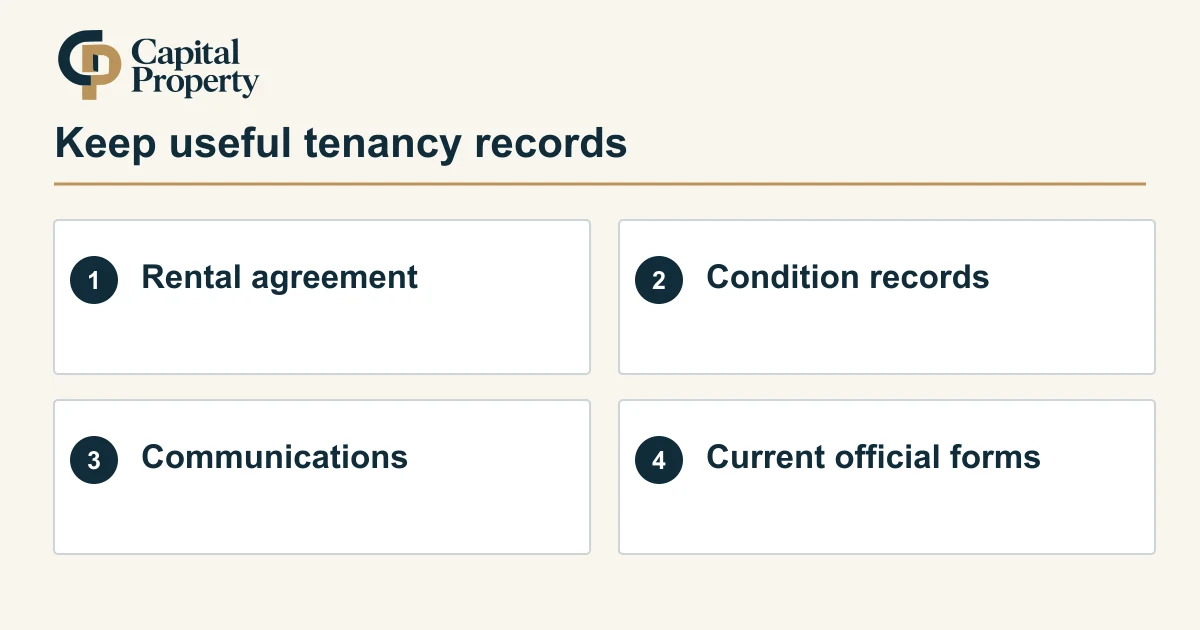
A rent increase for a St. John's apartment is not ready simply because the owner has chosen an amount. The agreement, tenancy history, notice and delivery method all need checking. For a tenant, those same records make it easier to understand what has been proposed and identify a question that needs an answer.
Sources checked . Check the linked sources for later changes.
Check the tenancy before checking the calendar
Start with the actual rental agreement. A monthly payment figure in a spreadsheet is not a substitute for confirming the tenancy type. Keep the start date, any fixed-term dates and the last increase record beside you before working forward to a proposed change.
This guide addresses ordinary residential tenancies covered by Newfoundland and Labrador's Residential Tenancies Act. It is a planning aid, not a personalized notice calculation or a substitute for legal advice.
How much notice is required for a rent increase?
The province's official notice form summarizes the ordinary rules:
| Tenancy | Written notice before the proposed increase |
|---|---|
| Week to week | At least eight weeks |
| Month to month | At least six months |
| Fixed term | At least six months, with the fixed-term restriction also considered |
How often can rent increase?
The increase must begin on the first day of a rental period. Ordinary increases cannot occur during a fixed term or during the first twelve months after the agreement begins. Weekly and monthly tenancies, and continued occupation after a fixed term, also have a once-in-twelve-months restriction. Official Landlord's Notice to Increase Rent.
There is a specific written-agreement exception for genuinely new services or benefits under section 16(7). Do not use it as a shortcut for an ordinary increase; seek advice about its interaction with other restrictions. Act, section 16.
Does Newfoundland have a rent-increase percentage cap?
The province's current increasing-rent guide states that there is no restriction on the amount of an increase. That does not remove timing, notice and other requirements. Its guidance also explains that removing an included service can count as an increase, even if the dollar payment stays unchanged. Official increasing-rent guide.
For planning, keep the amount decision and the process check separate. “There is no cap” is not a complete answer to whether a particular notice is valid.
Why a blanket January deadline is misleading
A claim such as “Every January increase is already too late” overlooks weekly tenancies. Equally, “six months' notice” does not mean every landlord can choose the same date regardless of the agreement's history.
Fictional planning example: An owner reviews a proposed January 1 increase in late October for an established monthly tenancy. A newly served notice cannot provide six months before that January date. The next step is to choose and verify a later eligible rental-period start, not backdate the paperwork.
Different fictional example: An established weekly tenancy requires a separate eight-week calculation, alongside its own rental-period start and increase history. The monthly example does not decide its outcome.
Neither example certifies a deadline for a real tenancy. Avoid borrowing a date from social media without checking the facts underneath it.
Build a one-page increase planning record
Use this worksheet before preparing a notice, or when reviewing one received:
| Question | Record to check |
|---|---|
| Which premises and parties? | Current agreement and unit identifier |
| What tenancy type applies? | Agreement and any later changes |
| When did the tenancy begin? | Original start record |
| Is a fixed term still running? | Term dates and renewal documentation |
| When did rent last increase? | Previous notice and payment history |
| When does the rental period start? | Agreement and established schedule |
| What change is proposed? | Current amount, increase and new amount |
| What notice period applies? | Current official form and guidance |
| How will it be served? | Permitted method and supporting record |
| What needs clarification? | Question, responsible person and next step |
This is an internal worksheet, not a notice to send in place of the government form. Keeping the “needs clarification” row matters: a blank answer should remain visible instead of being filled with an assumption.
For owners managing more than one property, maintain a separate record for each tenancy. A portfolio-wide budgeting date does not make every unit eligible for a change on the same day.
Prepare the notice, then check the delivery
Use the current official notice form. It identifies the parties and premises, the amount of the increase, the new rent, the effective date and the landlord's signature.
Check the unit identifier carefully, particularly in a St. John's house with separate upstairs and basement rentals. Confirm that the amount and payment period agree across the notice and supporting calculation. Keep the completed version, not just an empty template saved in the property folder.
Delivery is a distinct step. The provincial serving-notice guide describes permitted methods, including conditional electronic service. An ordinary message thread does not automatically establish that an address was supplied for receiving formal documents.
The notice form also explains deemed-service timing: registered or express post is treated as served on the fifth day after mailing, and electronic timing depends on when it is sent. Verify the applicable rule before choosing a deadline. Official notice instructions.
As a practical safeguard, leave time to check the completed form and delivery record rather than working at the last possible moment. This is planning advice, not a different legal notice period.
A sensible tenant review
When a notice arrives, keep the original and record when and how it was received. Compare it with your agreement and previous increase documents. Identify the specific point you want clarified: tenancy type, start date, amount, service or timing.
A clear question is easier to answer than a general accusation. For example: “My agreement shows a different rental-period start. Please explain how the effective date was selected.” That is an original communication prompt, not a legal objection form.
If the concern is not resolved, consult Residential Tenancies about the appropriate process. Do not treat uncertainty about the notice as automatic permission to stop paying rent or decide your own replacement payment schedule.
Keep pricing discussions separate from notice compliance
Owners may review expenses, maintenance plans and comparable asking rents when considering a future price. None of those records substitutes for checking an existing tenancy's rules.
Likewise, a tenant's concern about affordability and a question about notice validity are related but different issues. Keep any proposed agreement or adjustment clearly documented. Do not assume a casual conversation has replaced the formal records.
Common questions
Can an increase be announced verbally?
The provincial FAQ says verbal notice is not sufficient. Use the appropriate written process and current form. Residential Tenancies FAQ.
Does a short fixed term automatically allow an increase when it ends?
Do not assume that it does. Check the first-twelve-month restriction, notice period and other applicable rules together, rather than looking only at the expiry date.
Is this an annual task even if no increase is planned?
An annual file review can be useful for organizing records. It does not require a rent increase. An owner can review the agreement and leave the rent unchanged.
For the wider paperwork context, read Capital Property's Understanding Residential Tenancies in Newfoundland and Labrador. Find current forms and contact routes through the provincial Landlord & Tenant hub.
General information, not legal advice. Recheck the law, form and tenancy facts before serving or challenging a notice.